The fastest way to a working agent is to start from one that already works. Botmanor ships two layers of reuse: templates and the store.
Templates are curated blueprints — one click on "create app from template" or "create agent from template" turns a category template (customer support, HR, finance, and more) into a real, editable app or agent in your workspace, pre-wired with a sensible system prompt and configuration.
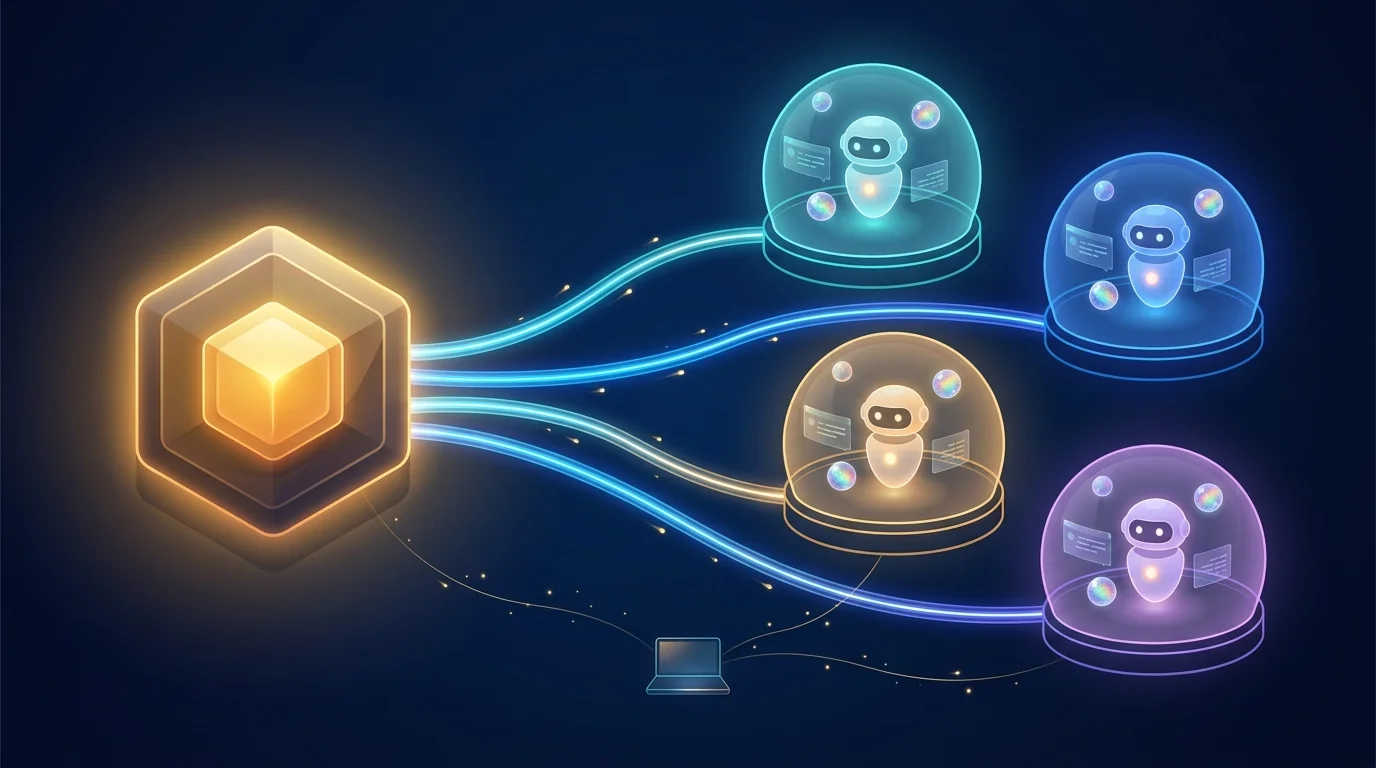
The store goes further. Store packages are distributable units across ten kinds: full apps, individual agents, MCP packs, prompt templates, skills, retrieval profiles, policy bundles, channel templates, A2A agent definitions, and knowledge-base templates. Whatever shape of work you want to share — a prompt, a guardrail set, a complete support bot — there is a package kind for it.
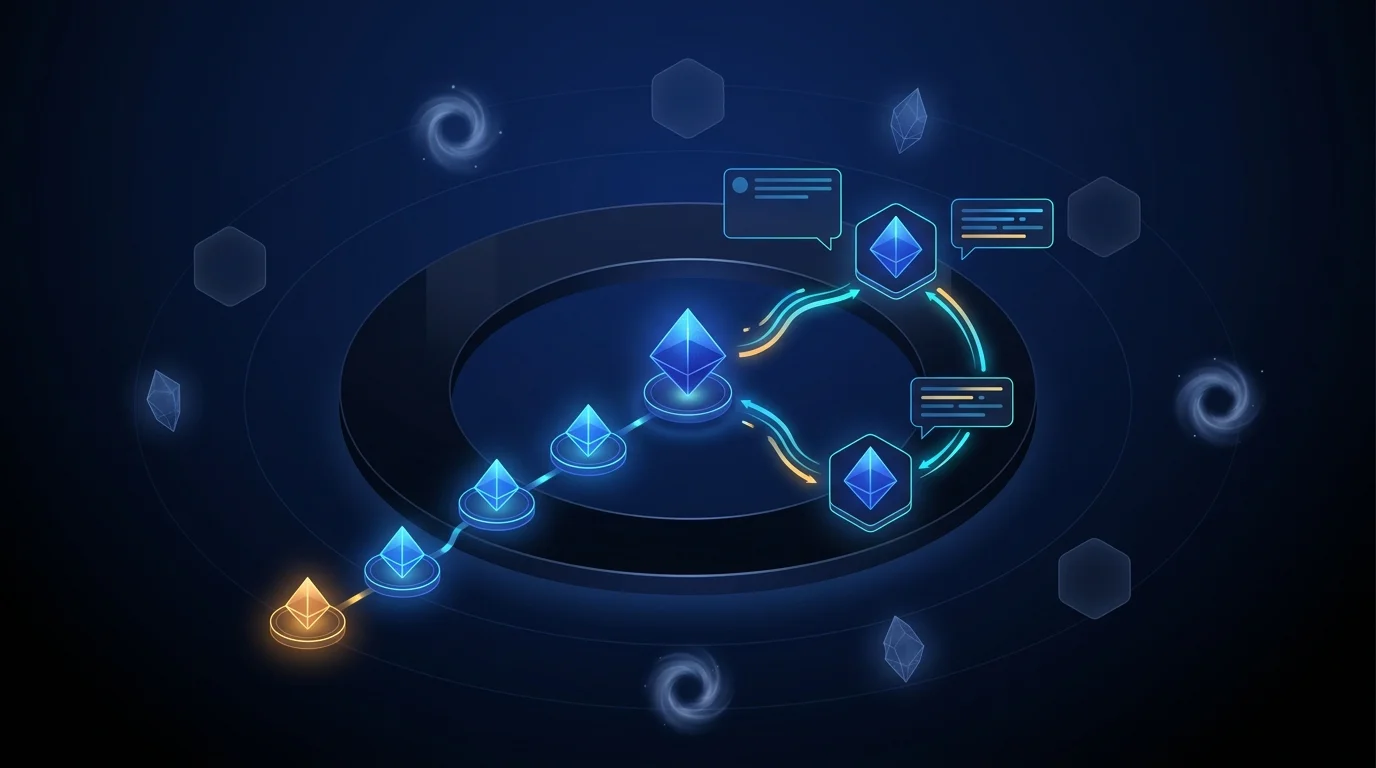
The install model is the part teams end up leaning on hardest. Install a package linked and your copy tracks the upstream package — when the author hardens the prompt or fixes a routing rule, you can pick up the update. Install it forked and you own an independent copy outright. And if a linked install later needs deep customisation, fork-after-install converts it without losing your configuration.
Uninstall is just as clean: packages know what they brought with them. For agencies and platform teams, this turns "we built a great support bot once" into an asset you can ship again and again — which is exactly the build-once-deliver-many story below.
Do it yourself
Skip the blank page: browse the Botmanor store, install an app or agent package linked to track upstream or forked to own outright, and manage it from your installed list.
From the Botmanor sidebar open the Store and browse the available packages.
You should see: The store catalogue loads showing packages across kinds — apps, agents, MCP packs, prompt templates, skills, retrieval profiles, policy bundles, and more.
Ready to make this your story?