The first question every support leader asks after turning on an AI agent is: "what is it actually saying to people?" If the answer requires logging into four platforms and trusting screenshots, the rollout stalls there.
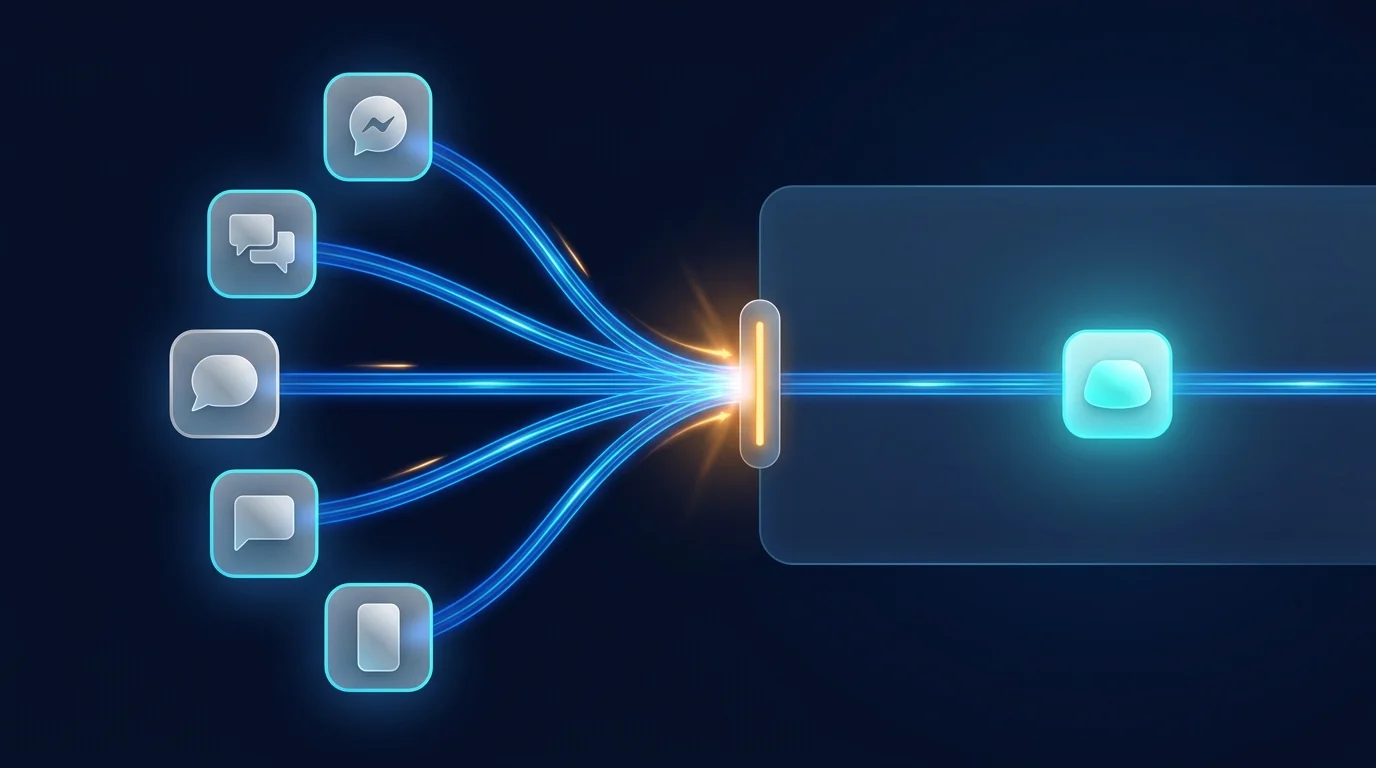
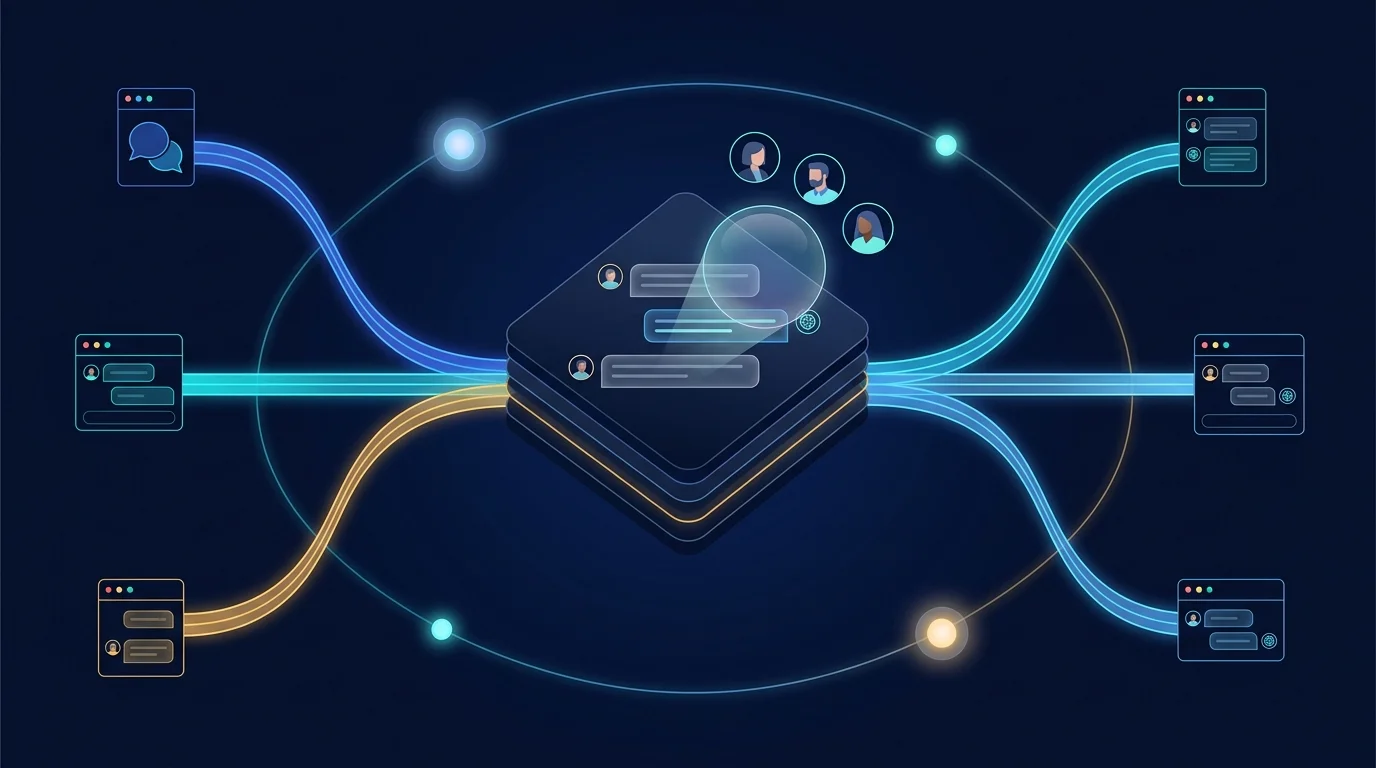
Botmanor records every conversation centrally. Whether an exchange happened in a chat test, a Slack thread, a Teams channel, or over a webhook, both sides — the user's message and the agent's reply — are stored in the platform conversations service, organised into threads.
This is oversight with receipts. Behind every agent reply sits an execution record: which agent version ran, on which model, with what token usage and cost. When someone escalates "the bot said something odd on Tuesday", you find the thread, open the execution, and see precisely what went in and what came out — no reconstruction, no he-said-bot-said.
Review is a team activity, not an admin privilege bottleneck: the inbox lives in the workspace under the same enforced RBAC as everything else, so support leads, agents' owners, and compliance reviewers each see exactly what their role allows.
Roadmap, stated plainly: automated human handoff — escalation rules that detect frustration and assign a human mid-conversation — is designed but not yet shipped. Today the inbox gives your team the visibility to supervise agents and intervene through the channels they already operate; the escalation primitives will land on top of conversation history that is already complete.
Do it yourself
See what your agents are actually saying across every channel in one shared inbox, then trace any reply back to the execution record that produced it.
In Botmanor, open Conversations to see every agent conversation in one place.
You should see: The shared inbox loads with threads from chat tests, Slack, Teams, and webhook traffic together.
Ready to make this your story?